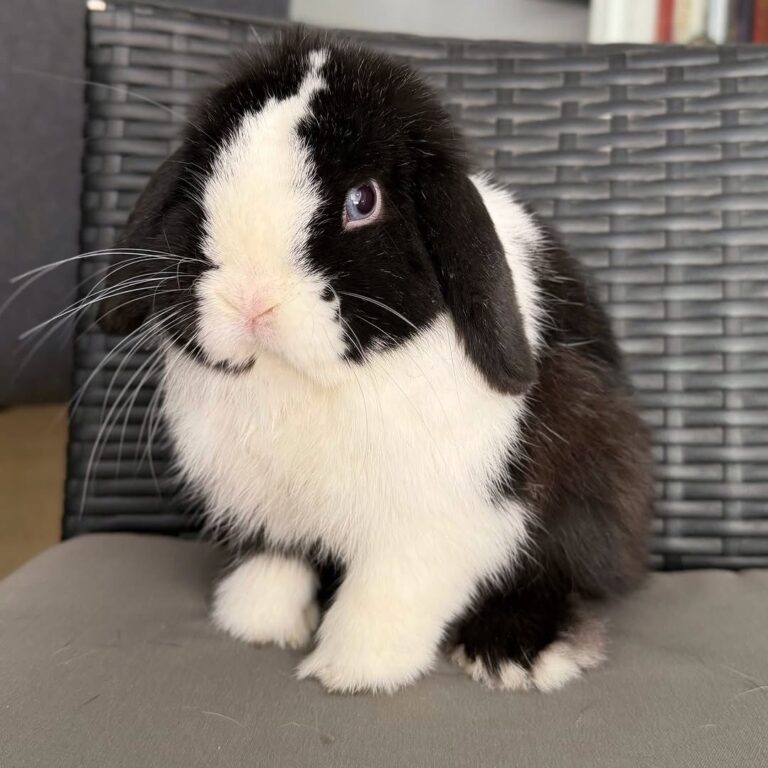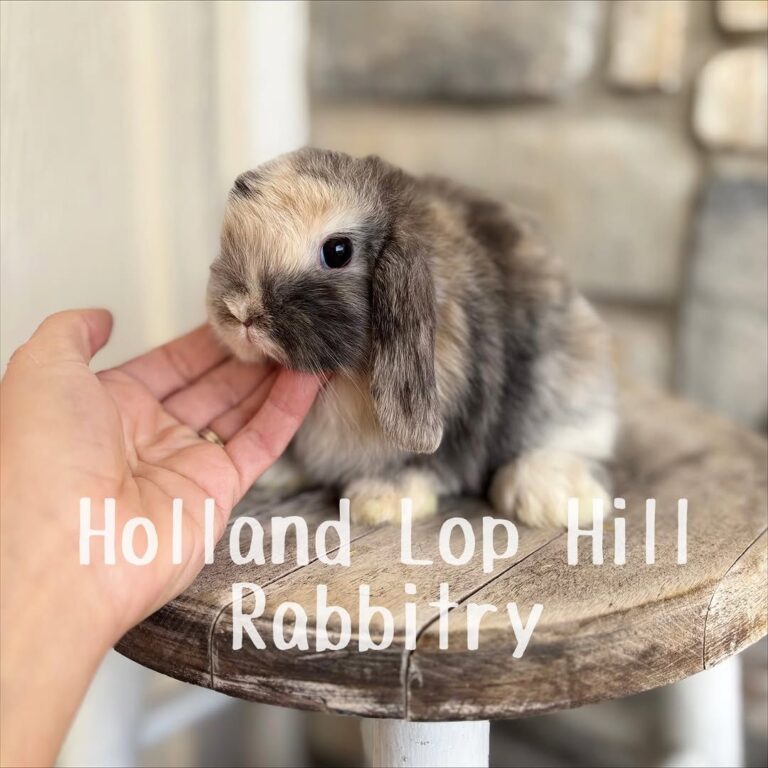
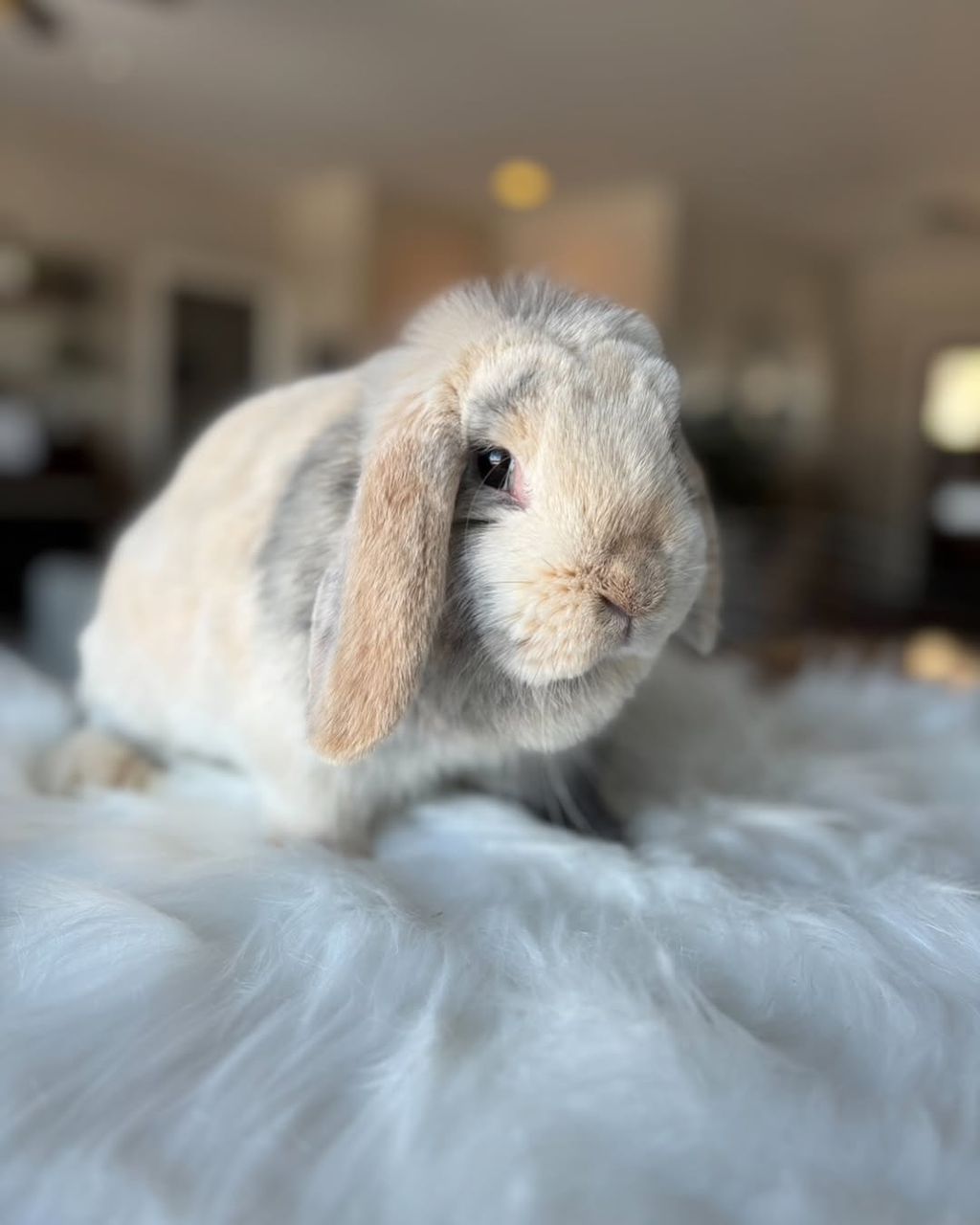

Holland lop grooming is one of the most important and rewarding parts of caring for your bunny. Regular grooming keeps your Holland Lop healthy, comfortable, and looking their absolute best — and it’s also a wonderful opportunity to bond with your rabbit. At Holland Lop Hill, we start grooming our bunnies from birth so they grow up comfortable and relaxed with the process. Here is everything you need to know about holland lop grooming.
How Often Do Holland Lop Rabbits Need Grooming?
Holland lop grooming should happen at least once a week during normal periods and more frequently during shedding season. Holland Lops shed heavily twice a year, in spring and fall, and during these periods daily brushing is recommended to prevent your bunny from ingesting too much fur during self-grooming. Ingested fur can cause dangerous GI blockages, so staying on top of holland lop grooming during shedding season is especially important.
Brushing Your Holland Lop
Brushing is the foundation of holland lop grooming. Use a soft slicker brush or a fine-toothed rabbit grooming comb to gently work through your bunny’s dense coat. Always brush in the direction of fur growth and be extra gentle around the ears, belly, and hindquarters where the skin is more sensitive. Start with short brushing sessions and gradually increase the time as your bunny gets comfortable. During heavy shedding you may also want to use a grooming glove to remove loose fur quickly and efficiently. Never use a brush that is too stiff as this can scratch your Holland Lop’s delicate skin.
Nail Trimming
Nail trimming is a critical part of holland lop grooming that many new owners overlook. Holland Lop nails grow continuously and if left untrimmed they can curl, crack, and cause pain or injury. Trim your Holland Lop’s nails every 4-6 weeks using small animal nail clippers. Be careful to avoid the quick — the pink blood vessel visible inside the nail. If you accidentally clip the quick apply a small amount of styptic powder to stop any bleeding.
If you are nervous about trimming nails yourself a rabbit-savvy vet or groomer can do it for you until you feel confident.
Ear Cleaning
Holland Lops have floppy ears that can trap dirt, wax, and moisture — making regular ear checks an essential part of holland lop grooming. Check your bunny’s ears weekly for any buildup, odor, or redness which could indicate an infection. Use a soft cotton ball slightly dampened with a rabbit-safe ear cleaner to gently wipe the visible inner ear. Never insert anything deep into the ear canal.
If you notice excessive wax buildup, a strong odor, or your bunny shaking their head frequently contact your vet as these can be signs of ear mites or infection.
Eye and Face Care
Holland Lops sometimes develop slight discharge around their eyes due to their compact facial structure. Gently wipe around the eyes with a soft damp cloth as needed during your holland lop grooming routine. Keep the area clean and dry to prevent irritation. If you notice persistent discharge, cloudiness, or swelling contact your vet promptly.
Bathing — What You Need to Know
Rabbits should almost never be fully bathed — it causes extreme stress and can lead to shock or respiratory illness. Holland lop grooming does not include regular baths. If your bunny gets a dirty bottom a spot clean with a warm damp cloth is all that’s needed. For stubborn soiling a shallow dry bath using cornstarch can help absorb moisture and loosen debris safely.
Grooming as Bonding Time
One of the most beautiful things about holland lop grooming is that it deepens the bond between you and your bunny. When done gently and consistently from a young age grooming becomes a calm, trusting ritual that your Holland Lop will come to enjoy. At Holland Lop Hill all of our bunnies are groomed regularly from birth so they arrive at their new homes already comfortable with being handled and brushed.
For more rabbit care tips and grooming resources we recommend visiting the House Rabbit Society — a trusted guide for rabbit owners at every stage of the journey.
Ready To Adopt A Holland Lop Bunny?
If you’ve fallen in love with Holland Lops after reading this, we’d love to help you bring one home. At Holland Lop Hill Rabbitry, we raise beautiful, hand-socialized Holland Lop bunnies in a loving home environment right here in Sedona, Arizona — and we ship nationwide across the USA.
Our bunnies are raised in pairs, health-guaranteed, and ready to become your family’s most cherished companions.
View Our Available Holland Lop Bunnies